
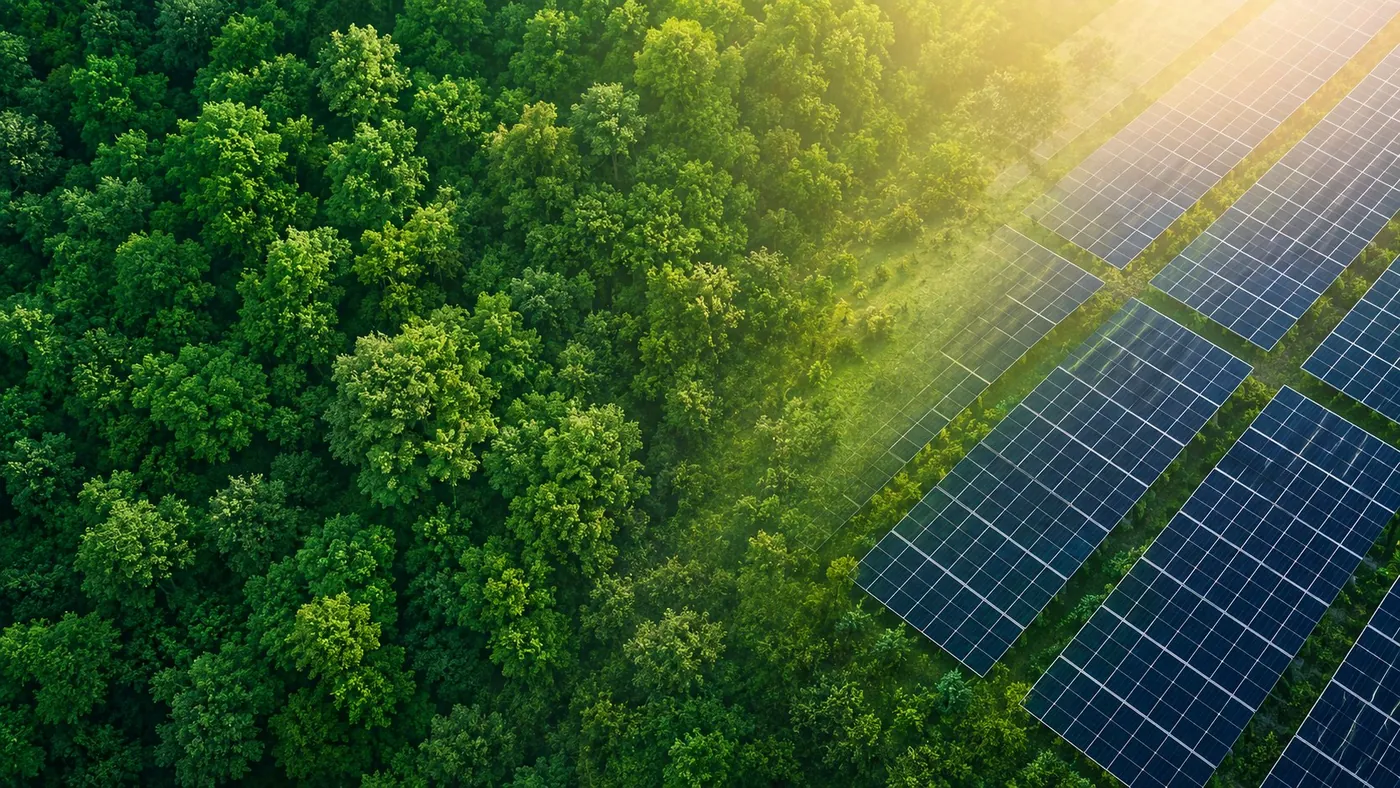
5th EIK International Environmental Conference & Expo 2026 Climate Financing Frontiers 2026: Unlocking Capital for a Climate-Resilient Future
Recognizing this need, the global climate finance architecture has expanded considerably over the past decade. Multilateral climate funds, development finance institutions, bilateral partners, philanthropic organizations, carbon markets and private investors now provide a wide range of financing opportunities to support countries in implementing their climate commitments. At the same time, governments are increasingly integrating climate finance into national development planning, while businesses and financial institutions are incorporating climate considerations into investment decisions.
Despite the growing availability of climate finance, significant barriers continue to limit access to these resources, particularly for institutions in developing countries. Many government agencies, research institutions, civil society organizations, private sector actors and community-based organizations possess innovative climate solutions but often struggle to secure funding due to limited institutional readiness, inadequate understanding of financing mechanisms, weak strategic partnerships and insufficient capacity to develop competitive and investment-ready proposals.
Against this backdrop, the Environment Institute of Kenya (EIK) is convening the 5th EIK International Environmental Conference and Expo 2026 to provide a platform for dialogue, learning, collaboration and capacity development on emerging climate finance opportunities. Through high-level plenary sessions, technical discussions, capacity-building forums, exhibitions, networking and knowledge exchange, the conference will equip participants with practical tools to access climate finance, develop competitive funding proposals, design investment-ready projects and connect innovative climate solutions with potential financiers and investors.

Theme
Climate Financing Frontiers 2026: Unlocking Capital for a Climate-Resilient Future
The outcomes of the Thirtieth Conference of the Parties (COP30) reaffirmed the central role of climate finance in achieving the objectives of the Paris Agreement. The conference advanced the Baku to Belem Roadmap towards mobilizing US$1.3 trillion annually by 2035 for developing countries, called for efforts to triple adaptation finance by 2035, and launched the Global Implementation Accelerator and the Belem Mission to 1.5 to strengthen implementation of Nationally Determined Contributions (NDCs) and National Adaptation Plans (NAPs). Collectively, these outcomes underscore the need for countries and institutions to enhance their capacity to develop bankable climate projects, strengthen institutional readiness, and build strategic partnerships capable of attracting and effectively utilizing climate finance.

Subthemes
Climate Finance Landscape
- Global and regional climate finance trends
- Climate finance mechanisms and funding windows
- Emerging financing opportunities
- Access pathways for developing countries and institutions
Climate Finance Mobilization and Investment Readiness
- Institutional readiness for climate finance
- Resource mobilization strategies and financing pathways
- Strengthening capacity for policymakers, researchers, academia, the private sector and civil society
- Investment-ready and bankable climate projects
- Designing winning climate finance proposals
Partnerships and Networks
- Building strategic partnerships
- Positioning institutions as credible partners
- Collaboration among governments, donors, academia and the private sector
- Knowledge exchange and peer learning
Innovation and Investment Readiness
- Developing bankable climate solutions
- Innovative financing approaches
- Scaling climate innovations

Date and location
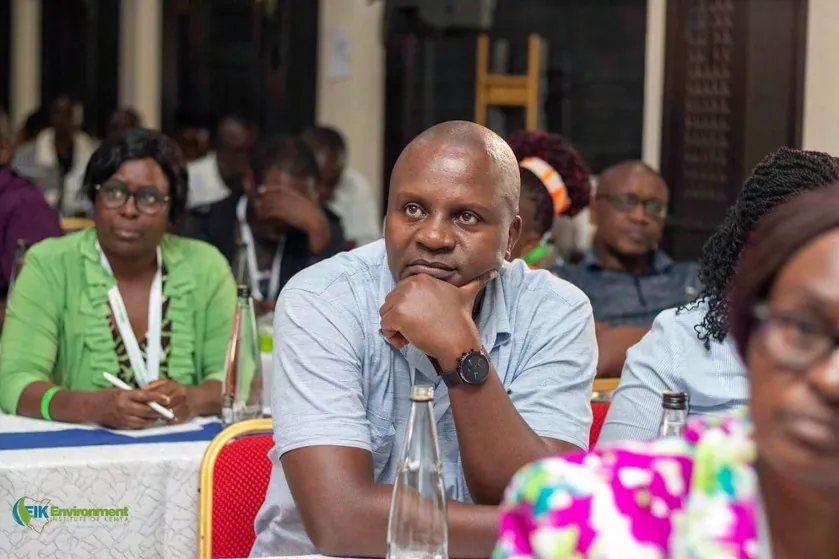
Conference objectives
Provide a platform for dialogue on climate finance.
Strengthen capacity to access and mobilize climate finance.
Promote strategic partnerships and collaboration.
Encourage development of competitive climate projects.
Facilitate knowledge exchange on climate finance best practices.